Neurofeedback & Brainspotting
Evidence-based brain-body therapies that address the root neurological and physiological dimensions of trauma, anxiety, addiction, and more — in a faith-informed environment.
Two Powerful Approaches to Healing
Both Neurofeedback and Brainspotting address healing at a deeper neurological level — going beyond talk therapy to engage the brain's own capacity for regulation, resilience, and restoration.
Neurofeedback
Neurofeedback (EEG biofeedback) is a non-invasive, evidence-based therapy that trains the brain's electrical activity using real-time feedback. Sensors detect brainwaves, and a computer program rewards the brain for producing healthier patterns — essentially retraining the nervous system without medication or conscious effort.
RHM uses BrainPaint® neurofeedback technology. Dr. Gross holds BrainPaint certification (anticipated June 2026) and has completed clinical training through the BRAVE program at Froedtert and the Medical College of Wisconsin, supporting veterans and first responders with TBI.
Effective For:
Brainspotting
Brainspotting (BSP) is a powerful, focused treatment method that works by identifying, processing, and releasing core neurophysiological sources of emotional and body pain, trauma, dissociation, and a variety of other challenging symptoms. It was developed by Dr. David Grand and is based on the principle that "where you look affects how you feel."
Dr. Jeffrey Gross holds Brainspotting Phases 1, 2, and 5 certification and integrates Brainspotting into his clinical work across individual, trauma-focused, and addiction recovery settings.
Effective For:
Session 1: Assessment
We begin with a thorough intake to understand your history, goals, and which modality is the best fit — or a combination of both.
Sessions 2+: Active Treatment
Neurofeedback sessions typically run 30–45 minutes. Brainspotting sessions are 50–90 minutes and can be integrated with talk therapy.
Ongoing Support
Progress is tracked and the treatment plan is adjusted as your nervous system responds. Most clients see meaningful results within 10–20 sessions.
Your Provider
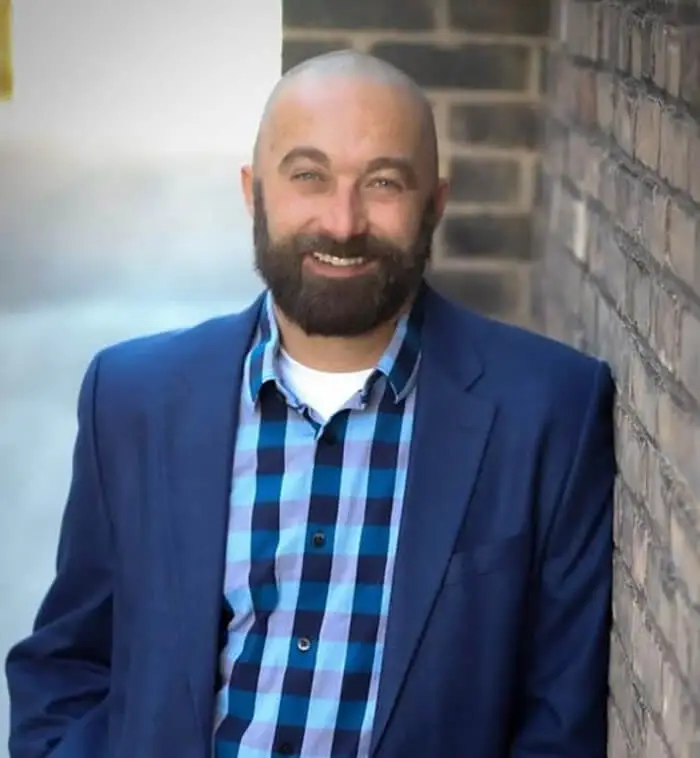
Jeffrey Gross, ThD, PhD, MS, MA, SAC-IT
Lead Counseling Pastor & Executive Director | Psy.D. Doctoral Student (anticipated 2028)
Dr. Gross holds Brainspotting certification in Phases 1, 2 & 5, and BrainPaint Neurofeedback certification (anticipated June 2026). His clinical training includes work at Froedtert/MCW supporting veterans and first responders with TBI, and contracted group therapy at The Manor by Windrose — a private residential addiction treatment facility.
Brainspotting
$100
per 30 minutes
Neurofeedback
$125
per session
Neurofeedback Scholarship Available
Struggling with PTSD, addiction, ADHD, anxiety, or trauma? Apply for 4 free neurofeedback sessions ($500 value) through our scholarship program.
Apply for ScholarshipRequest an Appointment
Tell us about your interest and we'll reach out to discuss next steps and scheduling.

