Planning Research · Brown County, Wisconsin

Hope120 Research

Studying the recovery landscape we hope to serve — and the gap we feel called to fill.

Before we build, we listen. This page shares the research shaping Hope120 — a proposed Christ-centered recovery residence for Brown County that pairs faith-based discipleship and biblical counseling with active collaboration alongside licensed clinical providers.

Planning research, not a service directory: This page describes a proposed model and shares publicly available information for planning purposes. Inclusion is not an endorsement, and services change — always confirm details directly with each provider. If you are in crisis, please call 911 or the Brown County Crisis Center at (920) 436-8888.
The Approach

Faith-Based Roots, Clinical Collaboration

Hope120 is being designed to honor two truths at once: transformation is ultimately a work of God in the human heart, and medical and clinical care are real, necessary, and to be received with gratitude. Our research in Brown County keeps both tracks in view.

Our Faith-Based Approach

The heart of the home is discipleship: a structured daily rhythm, biblical counseling, mentorship, accountability with grace, and reintegration into the life of a local church. We are studying how existing faith-based and peer recovery homes in Brown County serve well — and where longer-term, discipleship-centered residence is still missing.

Discipleship-centered biblical counseling woven into daily life
Long-term residence (120-day core, up to two years)
Mentorship and accountability rooted in Christian ethics
Church reintegration — residents received, not sent away
Education and vocation pathways through RHSBC and employers

Our Clinical Collaboration Posture

Hope120 is not a hospital, detox facility, or licensed treatment program — and we never pretend to be. When medical, psychiatric, or medication-assisted care is indicated, our model includes warm hand-offs to and coordination with the licensed providers already serving Brown County.

Structured referral partnerships with county treatment services
Coordination with MAT clinics and prescribers when indicated
Medical review at admission — no acute detox needs go unaddressed
Crisis pathways with clear emergency protocols
Respect for clinical expertise — collaboration, not competition
Planning Research

The Recovery Landscape in Brown County

As we plan Hope120, we are studying the recovery housing and treatment options already serving Brown County. The region has significant strengths — faith-based sober living, certified recovery homes, county treatment services, and medication-assisted care — yet few settings combine long-term residence with discipleship-centered biblical counseling and active collaboration with licensed clinical providers. That intersection is the gap Hope120 is being designed to fill.
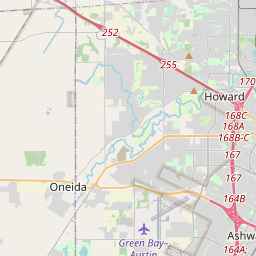
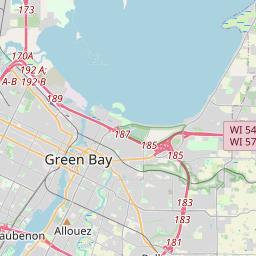
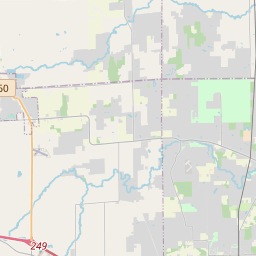
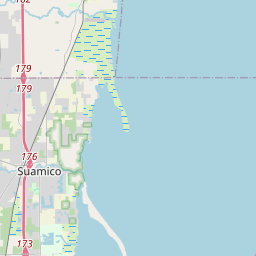
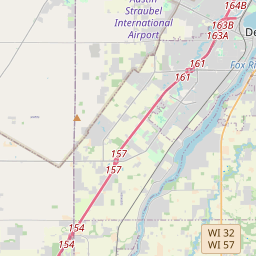
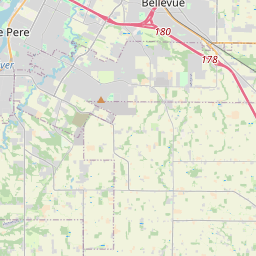
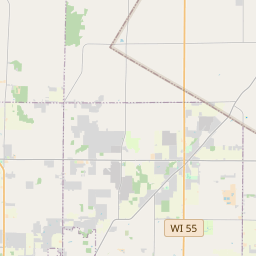
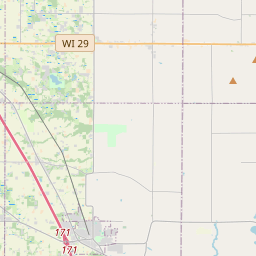
Brown County Recovery Resources — Green Bay Area
Faith-Based & Peer Recovery Clinical & Medical
Leaflet © OpenStreetMap contributors
Approximate locations for planning research. Contact each organization directly for current availability, eligibility, and addresses.

Faith-Based & Peer Recovery Housing

Jackie Nitschke Center Recovery Homes

Certified recovery housing (up to 12 months)

Peer-supported sober living in restored homes for men and women, with family programming.

630 & 700 Cherry St, Green Bay

(920) 435-2093 Visit website

Serenity House of Green Bay

Faith-based sober living

Faith-based sober living home offering structured support for alcohol and substance use recovery.

Green Bay, WI

Visit website

4th Dimension House — Women's Recovery House

Structured sober living (women)

Recovery house built around Twelve Step communities and faith-based principles with strong accountability.

Green Bay, WI

Visit website

Freedom House Ministries

Faith-based shelter & stabilization

Faith-based shelter and stabilization pathway serving families with children, connecting them to longer-term supports.

Green Bay, WI

Clinical & Medical Treatment

Brown County Community Treatment Center

County mental health & AODA treatment

County-operated inpatient and outpatient mental health and substance use treatment. 24/7 crisis line: (920) 436-8888.

3150 Gershwin Dr, Green Bay

(920) 391-4700 Visit website

Brown County Human Services — SUD Assessment & Referral

Assessment, referral & MAT services

Adult mental health & AODA self-referral assessments, plus buprenorphine and related medication supports.

3150 Gershwin Dr, Green Bay

(920) 391-4720 Visit website

Comprehensive Treatment Center — Green Bay

Medication-assisted treatment (MAT)

Outpatient medication-assisted treatment (methadone/buprenorphine) for adults with opioid use disorder.

Green Bay, WI

CleanSlate Centers — Green Bay

Outpatient MAT clinic

Medication-assisted treatment for opioid and alcohol addiction, with care coordination.

Green Bay, WI

Visit website

What This Research Tells Us

What Brown County Already Has

Certified peer recovery homes with stays of up to about 12 months
Faith-based sober living homes rooted in Scripture and accountability
County-operated mental health and AODA treatment, including a 24/7 crisis line
Multiple medication-assisted treatment (MAT) clinics for opioid and alcohol use
A county drug treatment court and human services referral network

The Gap Hope120 Aims to Fill

Long-term residence (120-day core, up to two years) rather than short stays
Discipleship-centered biblical counseling woven into daily life — not an add-on
Structured partnership with licensed clinical providers when medical care is indicated
Education and vocation pathways through RHSBC and community employers
Reintegration into local churches, so residents are received — not sent away

Research snapshot compiled September 2026 for planning purposes. Inclusion here is not an endorsement, and services change — always confirm details directly with each provider. If you are in crisis, call 911 or the Brown County Crisis Center at (920) 436-8888.

Why This Matters

The Community We're Researching For

Behind every data point is a neighbor, a family, and a church that loves them. These images capture the kind of community Hope120 hopes to strengthen across Brown County.

Men and women rebuilding life together in community

Community built around shared recovery

Hands joined together in support and prayer

Accountability that walks with people

Faith community welcoming people home

Churches that receive, not send away
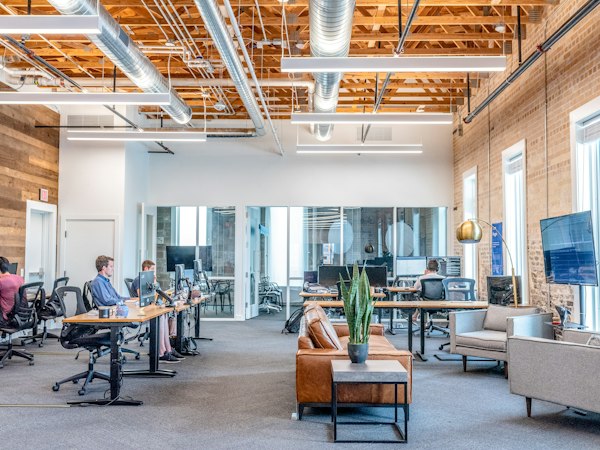
Counseling and mentorship conversation

Biblical counseling woven into daily life

Work and vocation pathway

Meaningful work as part of restoration

Neighbors serving neighbors

A Brown County that cares for its own

How We Research

Our planning research draws on publicly available information about recovery housing, county treatment services, and medication-assisted care in Brown County — along with conversations with pastors, providers, and community leaders. We revisit this research as the project develops.

Research snapshot compiled September 2026. Locations are approximate; programs and availability change. This page exists to guide planning and partnership — it is not a referral service.

Help Us Research Better

Are you a pastor, provider, employer, or recovery leader in Brown County? We would value your knowledge of the landscape — what's working, what's missing, and where a faith-based recovery home with clinical collaboration could best serve.

Connect With Hope120 Team

"Bear one another's burdens, and so fulfill the law of Christ."

— Galatians 6:2

Part of the Restoring Hope Ministries recovery housing initiative · Green Bay, Wisconsin

Care That Is Measured — Because People Are What Matter

Restoring Hope Ministries tracks the well-being of every participant in our clinical and faith-based services using empirically validated screeners, clinical interviews, behavioral analysis, and self-report — so we can honestly see whether the people we serve are getting better.

This rigor reflects the training of our founder, Dr. Jeffrey Gross, who earned an M.S. in Clinical Psychology from the Wisconsin School of Professional Psychology and is continuing his Psy.D. studies in Clinical Psychology, with completion anticipated in 2028. His Th.D. in Theology and Ph.D. in Christian Counseling complement that clinical education with theological preparation for Christ-centered soul care.

At Froedtert and the Medical College of Wisconsin, he served as a Student Psychologist and later Chief Student Psychologist, supporting veterans and first responders with traumatic brain injuries through the BRAVE program. His work included assessment, individualized treatment planning, multidisciplinary rehabilitation, psychoeducational and process-oriented groups, and peer supervision. His experience also includes supervised psychological testing of clergy at Milwaukee Psychotherapy Collaborative, recovery-focused group development at The Manor by Windrose, and case management and peer-support supervision at Biehl Bridges to Recovery.

Continuing education in assessment, trauma, neurobehavioral conditions, supervision, ethics, and risk management further informs this approach. Together, these experiences help shape RHM’s commitment to careful assessment, responsible documentation, collaborative care, and attention to each person’s spiritual, relational, emotional, and practical needs. His clinical psychology doctorate remains in progress; this background does not replace the qualifications or licensure required for regulated clinical services.

Empirically validated screenersClinical interviewsBehavioral analysisSelf-report
See how we measure outcomes and steward your support
base44
Edit with Base44